Neck & Shoulers
Restore Comfortable Movement From Your Neck to Your Shoulders
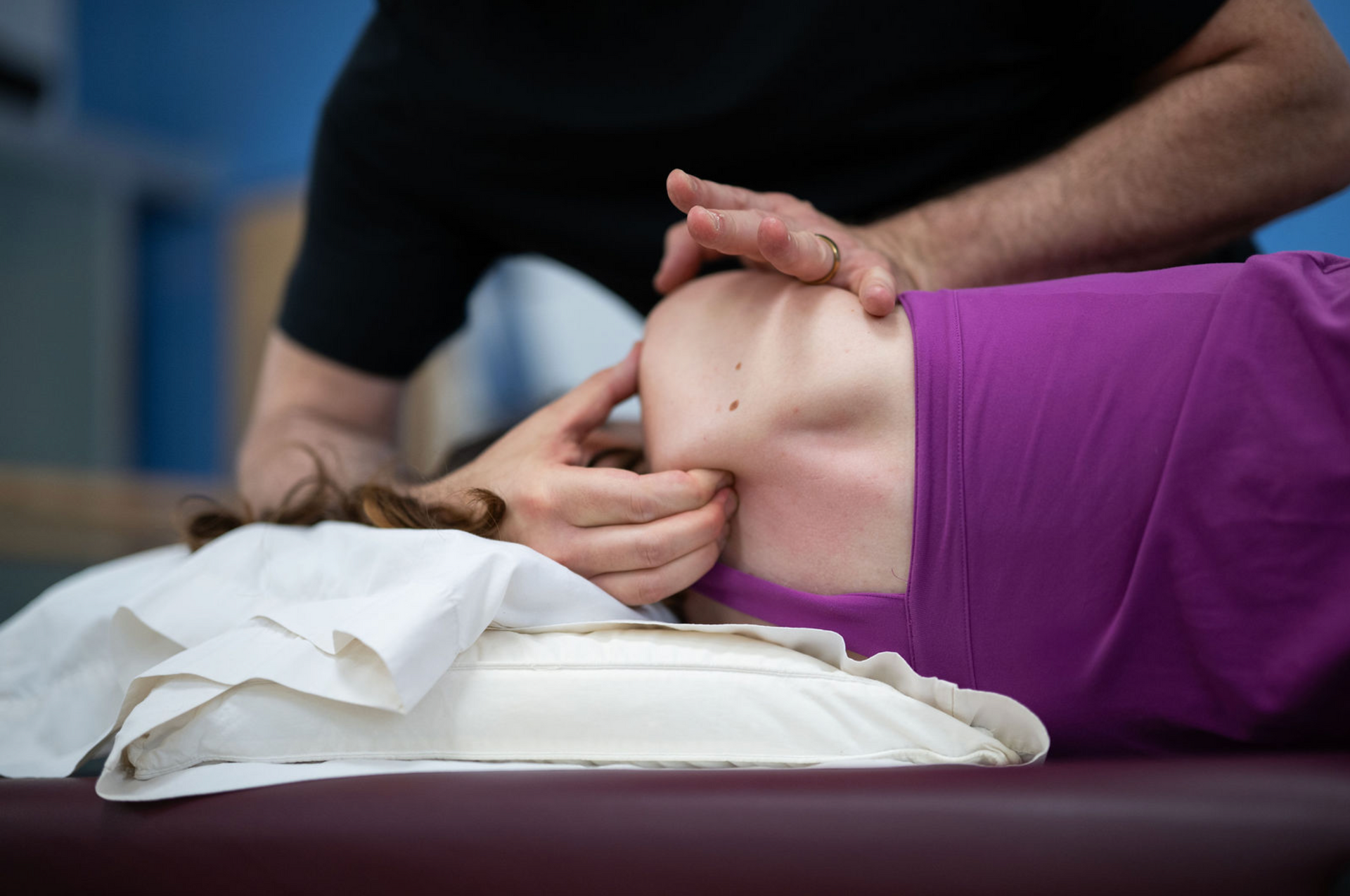
Neck and shoulder discomfort can make surprisingly simple things difficult, from turning your head and working at a computer to reaching overhead, sleeping comfortably, or returning to exercise. Because the neck, shoulders, upper back, and surrounding movement systems work together, the place you feel symptoms may be only one part of the picture. At Kfmt Physical Therapy, we use a whole-body Functional Manual Therapy® approach to understand the relationships that may be influencing your movement. With a full 60-minute, one-on-one session, your clinician has time for both hands-on treatment and movement retraining tailored to your individual needs.
Types of Conditions We Treat:
- Neck pain and stiffness
- Shoulder pain
- Rotator cuff injuries
- Frozen shoulder
- Shoulder impingement symptoms
- Limited shoulder mobility
- Upper back tension
- Desk-related neck and shoulder pain
- Pain with reaching or lifting
- Exercise-related shoulder injuries
- Post-surgical shoulder rehabilitation
When Neck & Shoulder Symptoms Limit Your Day
Persistent Neck Stiffness
If turning your head while driving or checking your blind spot feels restricted, the issue may involve your upper back or rib mobility, not just your neck.
Shoulder Pain with Reaching or Lifting
Pain during overhead movements or workouts often reflects coordination challenges between the shoulder blade and rib cage that need retraining.
Desk & Computer-Related Discomfort
Long hours at a computer can overload specific segments of the spine. We address both mobility and motor control so relief holds up beyond the session.
Exercise & Overuse-Related Shoulder Symptoms
Lifting, swimming, racquet sports, dance, and other repetitive activities place significant demands on the shoulder. Rehabilitation can help identify movements that are currently difficult and progressively rebuild the mobility, control, and capacity your activity requires.
Restricted Shoulder Mobility
A shoulder can feel limited even when pain isn’t severe. If reaching overhead, behind your back, or across your body has become difficult, treatment can focus on improving mobility while retraining how you control and use the movement you regain.
What Our Patients Say

Is It Time to Get a Closer Look at Your Neck or Shoulder?
If your pain keeps returning despite rest or stretching
Stretching can feel good without necessarily addressing why an area repeatedly becomes restricted. Your clinician can evaluate mobility and movement throughout the relevant regions and determine where hands-on treatment, movement retraining, or strengthening may be useful.
If you’re losing shoulder mobility
Difficulty reaching overhead, behind your back, or across your body can affect everything from getting dressed to exercising. Physical therapy can help determine what is limiting your movement and create a progressive plan for restoring usable mobility.
If neck or shoulder discomfort is interfering with work
Your workday may require hours at a computer, frequent travel, or repetitive positions that are difficult to avoid. Instead of expecting perfect posture all day, we can help you find realistic ways to improve movement options and better tolerate those demands.
If you’re avoiding workouts or activities you enjoy
Shoulder or neck symptoms can make people cautious about lifting, yoga, swimming, dance, or other activities. Rehabilitation can help you understand what you can safely work on now and progressively prepare your body for the movements you want to return to.
Neck & Shoulder Physical Therapy FAQs
Q:
Why would my neck and shoulder be treated together?
The neck, shoulder, upper back, and surrounding muscles and joints work together during many everyday movements. If your assessment identifies a relevant relationship between these areas, treatment may address more than the location where you feel symptoms.
Q:
Does treatment include hands-on therapy?
Kfmt specializes in Functional Manual Therapy®, which incorporates hands-on treatment alongside movement re-education and exercise. The specific techniques used depend on what your clinician finds during your assessment.
Q:
Can you help me return to lifting or exercise?
Returning to activity can be incorporated into your rehabilitation goals. Your clinician can progressively work on the mobility, strength, control, and movement demands relevant to the type of exercise you want to resume.
Thank you for contacting us.We’ll get back to you as soon as possible.
We got it.
Ready to begin?
You don’t have to take the next step alone — reaching out is already part of the work.

Thank you for contacting us.We’ll get back to you as soon as possible.
We got it.
Get Started
Let’s talk through your coverage options.

Thank you for contacting us.We’ll get back to you as soon as possible.
We got it.
Ready to begin?
You don’t have to take the next step alone — reaching out is already part of the work.