
Hips & Knees
When Hip or Knee Pain Changes How You Move
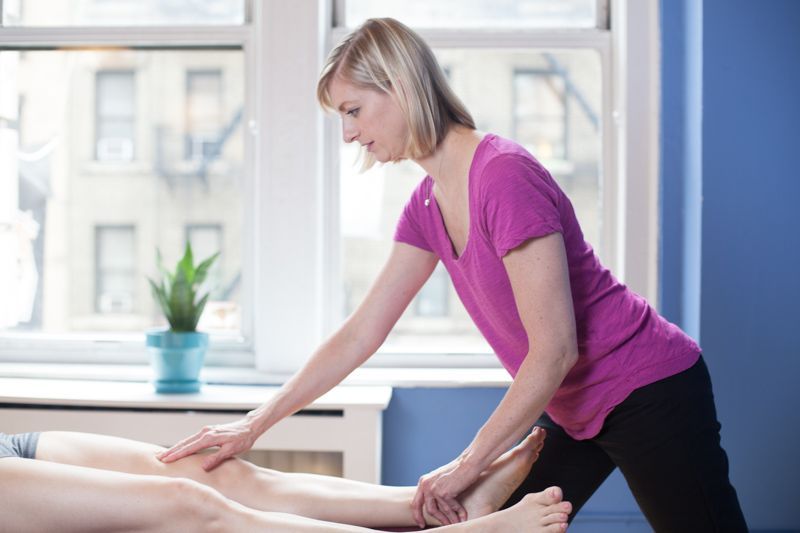
Hip and knee pain can quietly alter the way you walk, train, climb stairs, or sit — often without you realizing how much you’ve adapted. Over time, those compensations can create additional strain in the low back, pelvis, or opposite leg. At Kfmt Physical Therapy, hip and knee care begins with a full-body assessment to understand how force is transferring through your system. Every session is 60 minutes, one-on-one, combining hands-on treatment with movement retraining so progress feels measurable and intentional.
Types of Conditions We Treat:
- Hip Labral Tears
- Hip Osteoarthritis
- Hip Impingement & FAI
- Tendinosis/itis
- Groin Pain
- Post Surgical Care
- Meniscal Tear
- Knee Arthritis
- Ligament Sprain Recovery
- Bursitis
- Quad & Hamstring Tendinosis/itis
- Patellar Dislocation
- Post Fracture Recovery
Hip & Knee Problems That Deserve a Closer Look
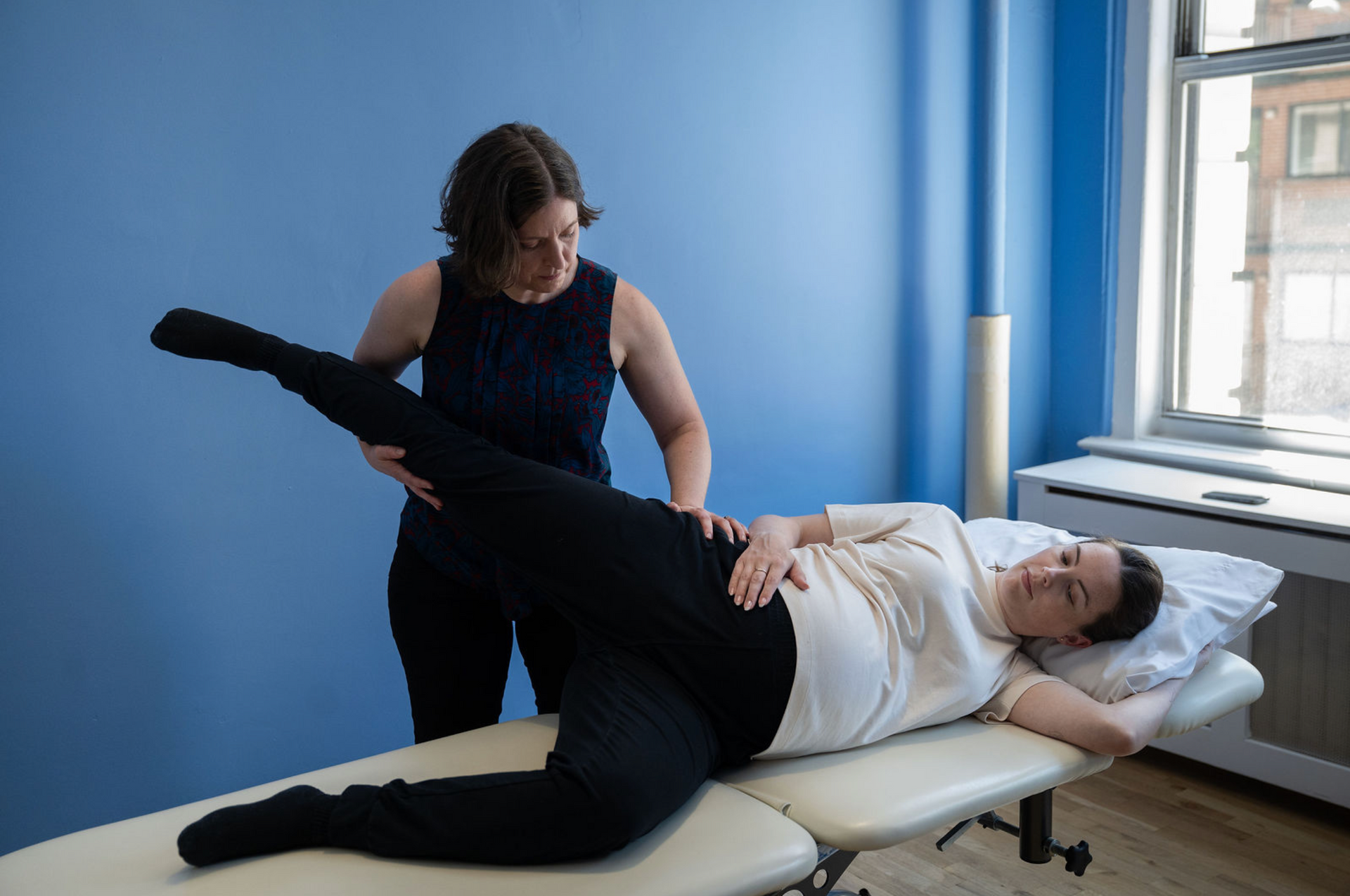
Anterior Hip Pinching or Tightness
Pain in the front of the hip during squats or prolonged sitting may reflect joint mobility restrictions or motor control imbalances that need coordinated retraining.
Outer Hip or IT Band Discomfort
Persistent lateral hip tension often involves pelvic stability and glute coordination rather than just soft tissue tightness.
Knee Pain with Running or Stairs
Discomfort during impact activities frequently relates to how the hip, ankle, and foot are controlling load into the knee.
Core Weakness or Abdominal Separation
Post-injury or post-surgical rehab requires careful progression of strength and control to restore stability without overloading healing tissue.
Recurring Swelling or Instability
If your knee feels unreliable or repeatedly flares up, we examine movement patterns and force absorption strategies that may be contributing.
What Our Patients Say
Is Hip & Knee Physical Therapy the Right Next Step?
If you’re unsure what pelvic floor PT involves
Recurring flare-ups often indicate unresolved load distribution or coordination issues higher or lower in the chain.
If hip tightness limits your workouts or daily movement
Addressing joint mobility and motor control together can improve both comfort and performance.
If you’ve been told to “just strengthen it” without a full assessment
Strength matters — but so does alignment, timing, and movement strategy.
If you want one-on-one care rather than rotating providers
Consistent 60-minute sessions allow for detailed reassessment and clearer progression. Structured progression helps you rebuild capacity while reducing risk of re-injury.
Hip & Knee Physical Therapy FAQs
Q:
Can physical therapy help knee pain without surgery?
In many cases, yes. Identifying movement mechanics and improving joint loading strategies can significantly reduce symptoms.
Q:
Do you treat labral tears or meniscus injuries?
Yes. We design structured rehabilitation plans that address strength, mobility, and neuromuscular control around the joint.
Q:
How long does hip or knee rehab take?
Timelines vary depending on severity and duration. We outline a recommended frequency after your first session.
Thank you for contacting us.We’ll get back to you as soon as possible.
We got it.
Ready to begin?
You don’t have to take the next step alone — reaching out is already part of the work.

Thank you for contacting us.We’ll get back to you as soon as possible.
We got it.
Get Started
Let’s talk through your coverage options.

Thank you for contacting us.We’ll get back to you as soon as possible.
We got it.
Ready to begin?
You don’t have to take the next step alone — reaching out is already part of the work.